
One Health: Why Animal Health Matters
Healthy livestock and poultry populations support food production, strengthen rural economies, and help protect communities from disease risks.
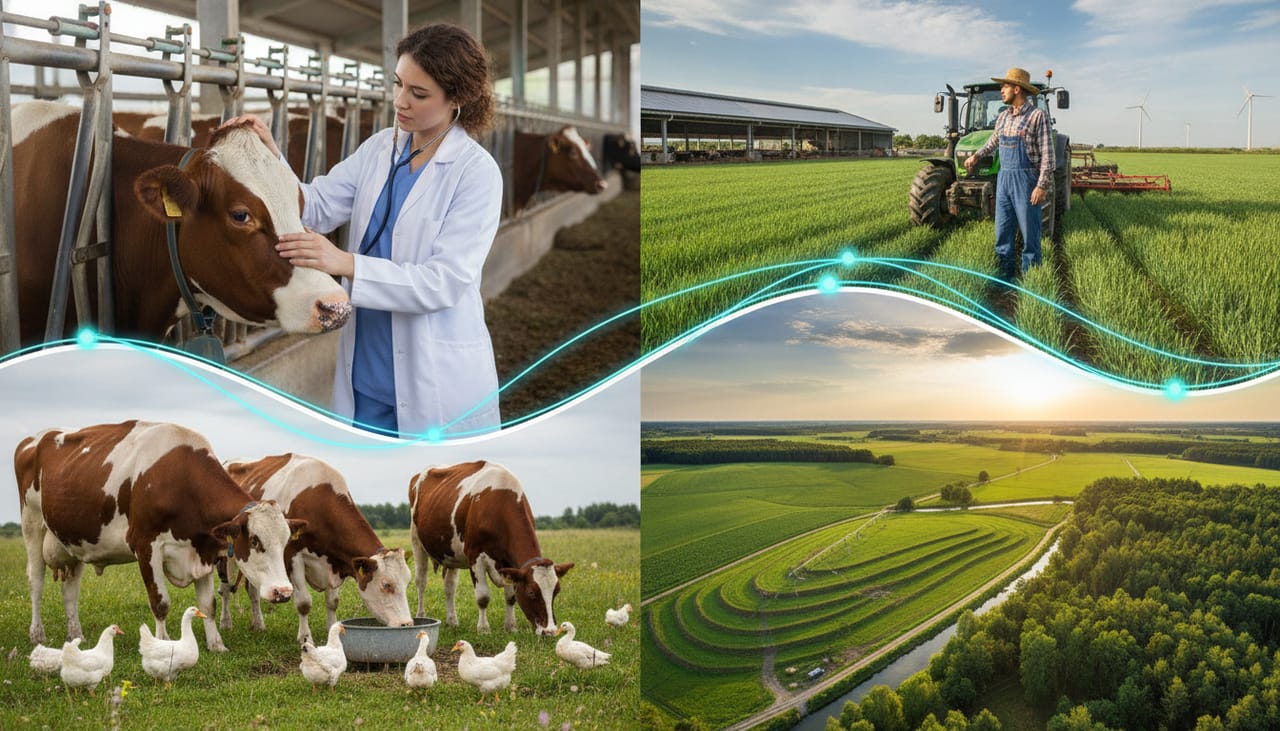
Key takeaways
- Animal health is a cornerstone of public health and food security.
- Preventing diseases in animals helps reduce risks to people and communities.
- Sustainable agriculture depends on healthy and productive animal populations.
- The One Health approach encourages collaboration across veterinary, medical, and environmental sectors.
Introduction
When discussing global health challenges, most people immediately think about hospitals, medicines, or public health systems. However, one of the most important contributors to a healthier world often receives less attention: animal health.
From the food we consume to the ecosystems we depend on, the health of animals influences many aspects of daily life. Healthy livestock and poultry populations support food production, strengthen rural economies, and help protect communities from disease risks.
This interconnected relationship forms the foundation of the One Health concept, an approach that recognises the close link between animal health, human health, and the environment.
As agricultural systems continue to evolve and global demand for food increases, understanding the importance of animal health has never been more relevant.

What Is One Health?
One Health is a collaborative approach that recognises that the health of people, animals, and the environment are interconnected.
Rather than addressing health challenges independently, the One Health framework promotes cooperation between veterinarians, physicians, scientists, environmental experts, policymakers, and industry leaders.
The goal is simple: by protecting one area, we strengthen the others.
For example, monitoring diseases in animal populations can help identify potential risks before they affect people. Similarly, sustainable environmental practices contribute to healthier living conditions for both animals and humans.
Today, One Health has become an important global framework for addressing challenges related to disease prevention, food production, environmental sustainability, and public health.

Why Animal Health Matters
Protecting Public Health
Many diseases affecting animal populations have the potential to impact human health. This is why disease surveillance, vaccination programmes, and preventive healthcare measures are essential components of modern animal production systems.
Early detection and effective disease management help reduce risks while supporting safer communities and stronger public health systems.
Supporting Food Security
Healthy animals are essential for producing safe, nutritious, and affordable food.
Livestock and poultry sectors contribute significantly to global food supplies. When animals remain healthy, production systems become more efficient, helping meet the nutritional needs of growing populations.
Strong animal health programmes also help minimise production losses and support more reliable food supply chains.
Improving Animal Welfare
Animal welfare begins with good health.
Animals that receive appropriate healthcare, nutrition, and management are better equipped to thrive and perform naturally.
Modern animal health strategies focus on prevention, early intervention, and continuous monitoring to ensure animals maintain optimal health throughout their lives.
Protecting animal health is not only about preventing disease; it is about supporting safer food systems, stronger communities, and a more sustainable future.

Prevention: The First Line of Defence
One of the most effective ways to protect animal populations is through prevention.
Preventive healthcare programmes help identify risks before they become significant challenges. These programmes often combine multiple strategies to maintain animal health and improve farm resilience.
Key components include:
Vaccination Programmes
Vaccination remains one of the most effective tools for preventing infectious diseases and reducing their impact on animal populations.
Biosecurity Measures
Biosecurity practices help limit the introduction and spread of disease within farms and production systems.
Disease Surveillance
Continuous monitoring allows veterinarians and producers to identify potential threats early and respond more effectively.
Nutritional Management
Proper nutrition supports immune function, productivity, and overall animal well-being.
Together, these measures contribute to healthier animals and more sustainable production systems.

Challenges Facing Animal Health Today
The animal health sector continues to evolve alongside global economic, environmental, and agricultural changes.
Climate Change
Changing environmental conditions can influence disease patterns, animal performance, and production systems.
Emerging Diseases
New and evolving disease threats require ongoing monitoring, research, and preparedness.
Growing Demand for Food
As populations increase, producers face greater pressure to improve efficiency while maintaining animal health and welfare standards.
Responsible Use of Antimicrobials
The global focus on antimicrobial stewardship continues to highlight the importance of preventive healthcare and responsible disease management practices.
These challenges reinforce the need for innovation, collaboration, and long-term planning across the animal health industry.

Building a Healthier Future Through One Health
The future of animal health extends far beyond farms and veterinary clinics.
As the world faces increasingly complex challenges related to food production, sustainability, and disease prevention, collaboration between sectors will become even more important.
The One Health approach provides a practical framework for addressing these challenges by encouraging cooperation between animal health professionals, healthcare providers, researchers, governments, and industry stakeholders.
By investing in animal health today, we contribute to healthier communities, stronger food systems, and a more sustainable future for generations to come.
Final Thought
Healthy animals support healthy people. Healthy environments support healthy animals. Together, these connections form the foundation of a more resilient and sustainable world.
That is the essence of One Health.
References
- World Health Organization (WHO). One Health.
- Food and Agriculture Organization of the United Nations (FAO). One Health Approach.
- World Organisation for Animal Health (WOAH). One Health.
- Centers for Disease Control and Prevention (CDC). One Health Basics.
- United Nations Environment Programme (UNEP). One Health Joint Plan of Action.
By IFT