
Emerging animal health trends for 2026
From emerging diseases and shifting consumer expectations to advances in technology and sustainability, the industry is undergoing a transformation.
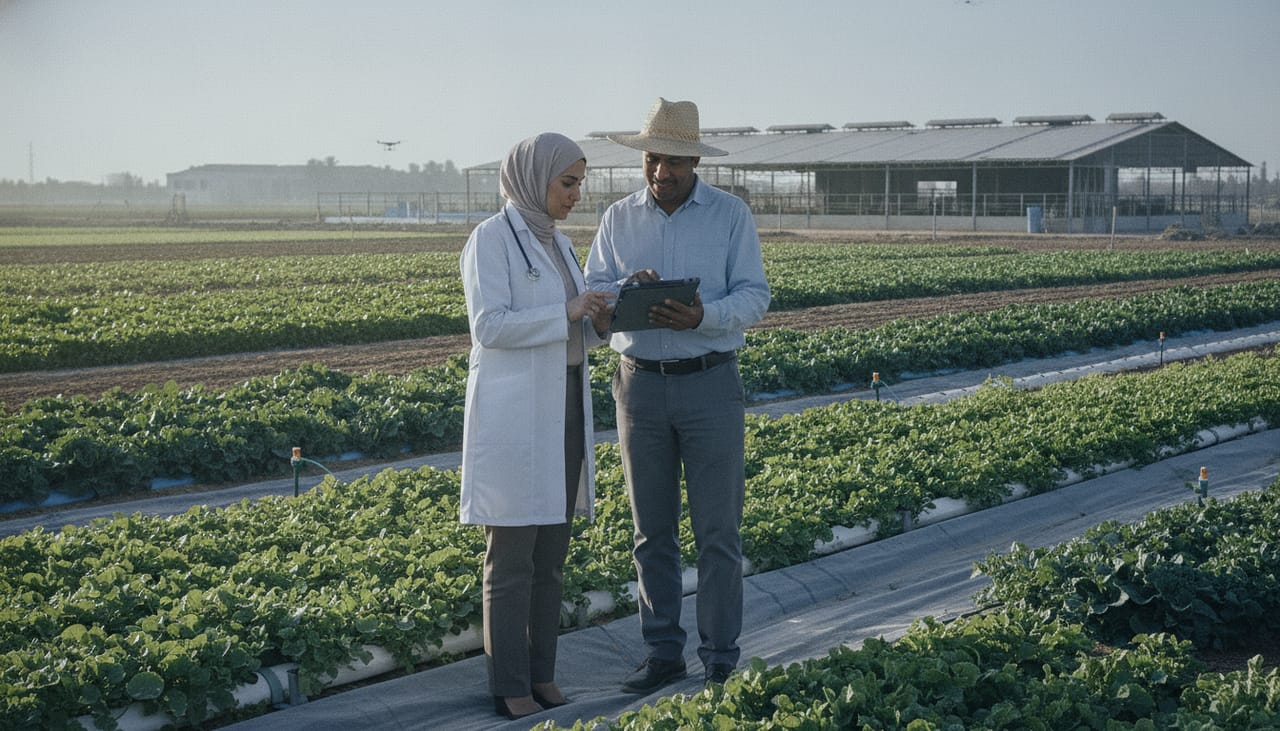
The industry is entering a new era
Animal health is evolving faster than ever before.
From emerging diseases and shifting consumer expectations to advances in technology and sustainability, the industry is undergoing a transformation that is redefining how animals are cared for, monitored and protected.
Veterinarians, producers, researchers and animal health companies are facing a common challenge: how to meet growing demands for safe food production, improved animal welfare and sustainable farming while navigating increasingly complex health risks.
The good news is that innovation is creating new opportunities. Across the globe, organisations are investing in technologies, preventive healthcare strategies and data-driven solutions that are shaping the future of animal health.
As 2026 unfolds, several key trends are expected to play a major role in defining the next chapter of the industry.
Artificial intelligence moves from concept to practice
For years, artificial intelligence was viewed as a promising future technology. Today, it is becoming a practical tool for veterinarians and producers.
AI-powered systems can analyse large volumes of health and production data, helping identify patterns that may otherwise go unnoticed. These technologies are increasingly being used to support disease detection, monitor animal behaviour, optimise farm management and improve decision-making.
As digital infrastructure continues to expand, artificial intelligence is expected to become a standard component of modern animal health programmes rather than a specialised innovation.
Disease prevention takes centre stage
The industry continues to shift from reactive treatment towards proactive prevention.
Rather than focusing solely on managing disease outbreaks, producers are investing more heavily in biosecurity, vaccination programmes, surveillance systems and early detection technologies.
This preventive approach helps reduce production losses, improve animal welfare and strengthen long-term sustainability.
In an increasingly interconnected world, prevention is becoming one of the most valuable tools available to animal health professionals.
The rise of precision livestock farming
Technology is transforming how farms operate.
Sensors, wearable devices, cameras and automated monitoring systems are providing real-time insights into animal health, behaviour and environmental conditions.
These tools allow producers to identify potential issues earlier, optimise resource utilisation and make more informed management decisions.
Precision livestock farming is no longer an emerging concept: it is becoming an operational advantage for progressive production systems worldwide.
Sustainability becomes a business imperative
Sustainability is no longer viewed as a separate initiative. It is becoming a core component of animal production strategies.
Consumers, regulators and supply chain partners increasingly expect responsible farming practices that support environmental stewardship, efficient resource use and animal welfare.
As a result, animal health solutions are being evaluated not only for their effectiveness but also for their contribution to sustainable food production systems.
Organisations that successfully align productivity with sustainability will be better positioned for long-term growth.
One Health continues to gain momentum
The connection between animal health, human health and environmental health has never been more evident.
The One Health approach is gaining greater recognition among governments, research institutions and industry stakeholders worldwide.
Managing disease risks requires collaboration across sectors, particularly when addressing zoonotic diseases, antimicrobial resistance and food safety challenges.
In 2026, One Health is expected to remain a key framework guiding policy development, research priorities and disease prevention efforts.
Data-driven decision making becomes the new standard
Data is rapidly becoming one of the industry’s most valuable assets.
Modern farms generate vast amounts of information related to health status, feed efficiency, environmental conditions, production performance and disease events.
Organisations that can effectively collect, analyse and act upon this information will gain a significant competitive advantage.
The future of animal health will increasingly depend on transforming raw data into actionable insights.
Strengthening the fight against antimicrobial resistance
Antimicrobial resistance remains a global concern that continues to influence animal health strategies.
Industry stakeholders are investing in preventive healthcare, responsible antimicrobial use, advanced diagnostics and alternative health solutions that help reduce dependency on antibiotics.
As regulatory expectations continue to evolve, responsible stewardship programmes are expected to play an increasingly important role throughout the animal health sector.
Looking ahead
The future of animal health will be shaped by organisations that embrace innovation while remaining focused on animal welfare, disease prevention and sustainability.
Artificial intelligence, precision farming, digital technologies and preventive healthcare are no longer distant possibilities. They are becoming essential components of modern animal production systems.
While challenges remain, the industry’s ability to adapt and innovate continues to create new opportunities for healthier animals, more resilient production systems and a more sustainable future.
Conclusion
The animal health industry is entering an exciting period of transformation.
As emerging technologies become more accessible and global health challenges continue to evolve, organisations across the sector have an opportunity to rethink traditional approaches and adopt smarter, more proactive strategies.
The trends shaping 2026 are more than short-term developments: they represent the foundations of the next generation of animal health.
Those who invest in innovation, prevention and collaboration today will be better prepared to meet the demands of tomorrow.
References
- World Organisation for Animal Health (WOAH).
- Food and Agriculture Organization (FAO).
- World Health Organization (WHO).
- International Livestock Research Institute (ILRI).
- OECD – Digital Transformation in Agriculture and Food Systems.
By IFT